Buying guide
The Best Upper Back Stretcher: Arch, Roller or Ball, and Who Should Skip All Three
By the IntoInversion teamUpdated
- 4 picks
- 6 sources
- 12 min read
We earn from qualifying purchases made through our links.
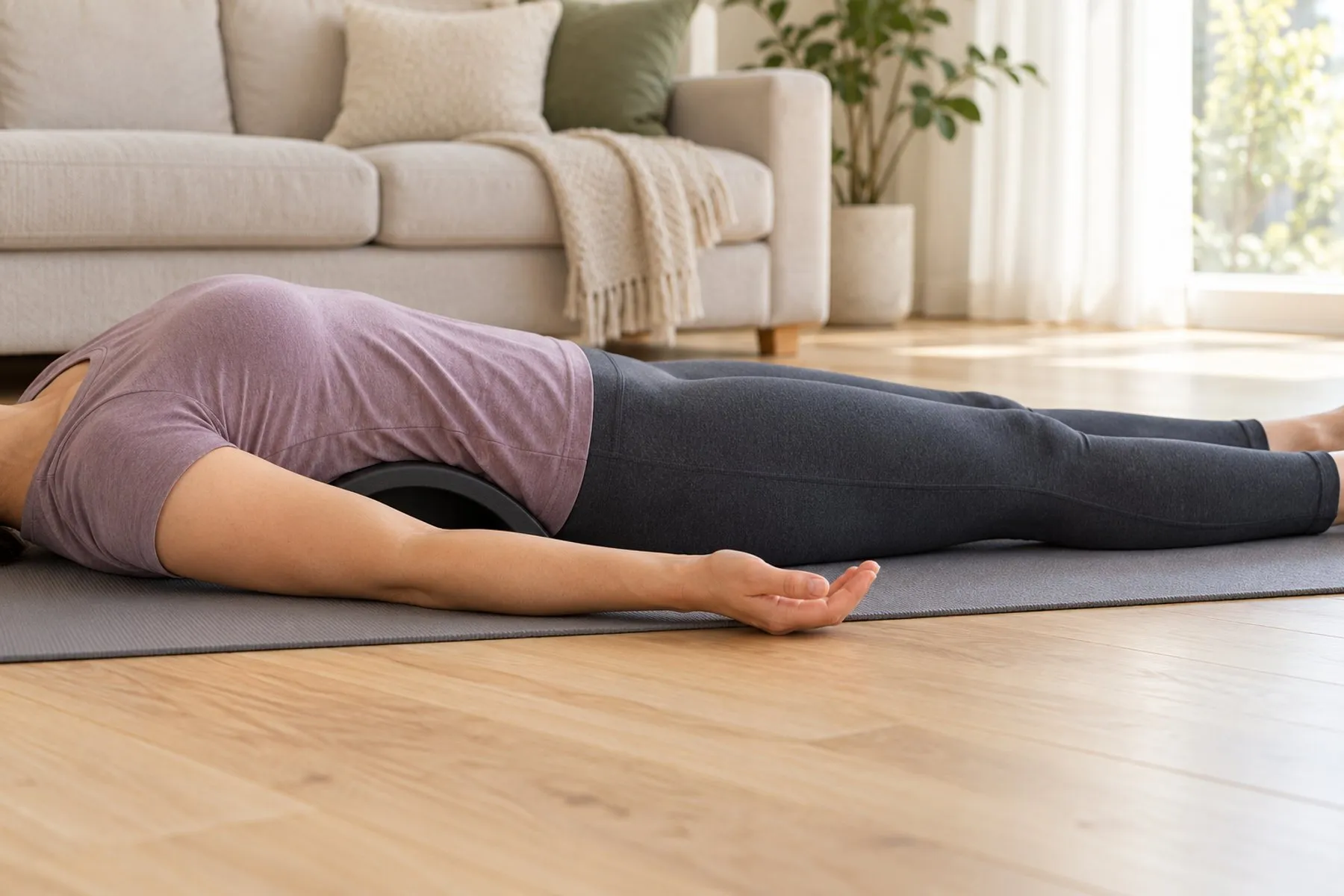

Our pick if you want a dedicated thoracic stretcher
Bodystance Backpod - Premium Device for Costochondritis & Tietze Syndrome | Physio Designed | NZ Made | Posture Corrector & Back Pain Relief
The only product here designed to bend the upper back backward over a curve, and the one with a maker’s guide behind it. It is not proven to do more than a roller does, so buy it for the shape and the instructions, not for a cure.
- Built for the upper back, with a maker who publishes a guide
- One shape, no choosing between sizes or densities
- Maker's page tells you to see a doctor first for acute chest pain
- Price range
- Budget
Maker sourceSpecs from the maker's own product page

Best budget way to try thoracic extension
Amazon Basics High-Density Foam Roller for Exercise and Recovery
Choose it if you want to find out whether lying back over something helps your upper back before you spend more. Skip it if you have osteoporosis, a recent fracture or a hard time getting up from the floor.

Best for pressure beside the spine
Choose it if your tightness sits in the muscles on either side of the spine and you want something that clears the bone. Skip it if you want a stretch that opens the chest. A ball is a pressure tool, not an arch.
Upper back stretchers are cheap, and the evidence for them is thin. We did not test these products on people. We read each Amazon listing, opened the maker’s own page for the Backpod, and tied every health statement to a named source. When a listing makes a claim we could not confirm, we say so. If you buy through our links we may earn a commission, which never decides which product we pick.
The Best Upper Back Stretchers at a Glance
Search for an upper back stretcher and you get three very different kinds of product with the same promise. One is a shaped pod made for the job. The other two are general massage tools that people borrow for it. The real choice is between those shapes.
See our four picks in one table
Our Four Picks
| If you want | Our pick | What decides it |
|---|---|---|
| A dedicated thoracic stretcher | Bodystance Backpod | The only one made for the upper back; costs the most |
| The cheapest way to try it | Amazon Basics 18 in foam roller | A long, firm roller you lie back across |
| Pressure beside the spine | 5BILLION peanut massage ball | Two balls with a gap for the bone |
| A textured massage roller | 321 STRONG 3-zone roller | Three zones of raised projections; a muscle tool, not an arch |
The Backpod costs noticeably more than the other three. We don’t print prices, because they move from week to week.
The Specs Side by Side
The Backpod column comes from the listing and from Bodystance’s own page. The other three have no manufacturer spec sheet we could open, so their columns come from their Amazon listings, and where a figure is not published the table says so.
| Spec | Editor's choiceBodystance Backpod - Premium Device for Costochondritis & Tietze Syndrome | Physio Designed | NZ Made | Posture Corrector & Back Pain ReliefBudget, price tier 1 of 3Maker source | Amazon Basics High-Density Foam Roller for Exercise and RecoveryBudget, price tier 1 of 3Listing only | 5BILLION FITNESS Peanut Massage Ball - Double Lacrosse Massage Ball & Mobility Ball for Physical Therapy - Deep Tissue Massage Tool for Myofascial ReleaseBudget, price tier 1 of 3Listing only | 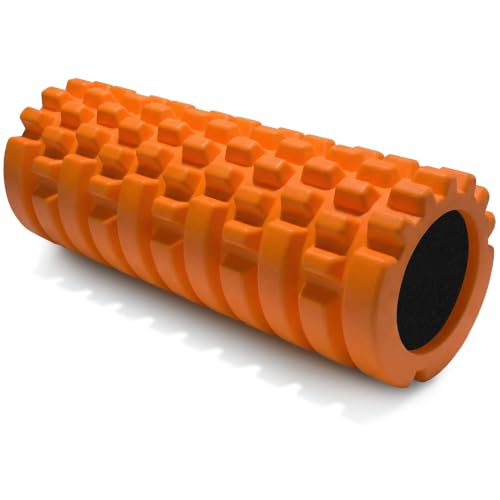 321 STRONG Patented 3-Zone Massage RollerBudget, price tier 1 of 3Listing only |
|---|---|---|---|---|
| Adjustment | One size; the maker says it can be turned sideways across the spine for a stronger stretch | None: a round cylinder; how far your back bends depends on where you place it | None: two balls joined with a gap between them; you adjust pressure by shifting your weight | Three zones of raised projections (small, medium, large) to vary the intensity |
| How you use it | Lie back over it between or beside the shoulder blades with pillows under your head; the Amazon listing says to hold about 30 seconds, then readjust, for several minutes every evening | The listing names balance, strengthening and flexibility exercises and gives no thoracic instructions | The listing says to use it on painful spots, before or after workouts | Roll along the muscles of the back; the listing links an eBook guide we could not open |
| Assembly and setup | No assembly: one-piece pod with a polycarbonate core and a synthetic rubber cushion; dimensions not stated in the pages we read | No assembly: 18 by 6 by 6 inch high-density polypropylene foam roller, per the listing | No assembly: 5 inch long, 2.5 inch wide double ball of natural rubber weighing about 12 ounces per the listing, with a carry bag | No assembly: about 12.5 inches long and 5.5 inches across, EVA foam over a core, per the listing |
| Buy | See today's price: Bodystance Backpod - Premium Device for Costochondritis & Tietze Syndrome | Physio Designed | NZ Made | Posture Corrector & Back Pain Relief on Amazon (opens in a new tab) | See today's price: Amazon Basics High-Density Foam Roller for Exercise and Recovery on Amazon (opens in a new tab) | See today's price: 5BILLION FITNESS Peanut Massage Ball - Double Lacrosse Massage Ball & Mobility Ball for Physical Therapy - Deep Tissue Massage Tool for Myofascial Release on Amazon (opens in a new tab) | See today's price: 321 STRONG Patented 3-Zone Massage Roller on Amazon (opens in a new tab) |
Editor's choiceBodystance Backpod - Premium Device for Costochondritis & Tietze Syndrome | Physio Designed | NZ Made | Posture Corrector & Back Pain ReliefMaker source- Adjustment
- One size; the maker says it can be turned sideways across the spine for a stronger stretch
- How you use it
- Lie back over it between or beside the shoulder blades with pillows under your head; the Amazon listing says to hold about 30 seconds, then readjust, for several minutes every evening
- Assembly and setup
- No assembly: one-piece pod with a polycarbonate core and a synthetic rubber cushion; dimensions not stated in the pages we read
Amazon Basics High-Density Foam Roller for Exercise and RecoveryListing only- Adjustment
- None: a round cylinder; how far your back bends depends on where you place it
- How you use it
- The listing names balance, strengthening and flexibility exercises and gives no thoracic instructions
- Assembly and setup
- No assembly: 18 by 6 by 6 inch high-density polypropylene foam roller, per the listing
5BILLION FITNESS Peanut Massage Ball - Double Lacrosse Massage Ball & Mobility Ball for Physical Therapy - Deep Tissue Massage Tool for Myofascial ReleaseListing only- Adjustment
- None: two balls joined with a gap between them; you adjust pressure by shifting your weight
- How you use it
- The listing says to use it on painful spots, before or after workouts
- Assembly and setup
- No assembly: 5 inch long, 2.5 inch wide double ball of natural rubber weighing about 12 ounces per the listing, with a carry bag
321 STRONG Patented 3-Zone Massage RollerListing only- Adjustment
- Three zones of raised projections (small, medium, large) to vary the intensity
- How you use it
- Roll along the muscles of the back; the listing links an eBook guide we could not open
- Assembly and setup
- No assembly: about 12.5 inches long and 5.5 inches across, EVA foam over a core, per the listing
Maker source from the maker's own page or manual, not independently testedListing only retail listing, no maker spec sheetNot stated the maker publishes nothing
None of the four states a weight limit on the pages we read, and none lists safety testing. The Amazon Basics listing links a warranty PDF we did not open. The row that separates them is the shape, because the shape decides whether you stretch the upper back or press on it.
What an Upper Back Stretcher Does: Thoracic Extension
The thoracic spine is the middle section of your spine, the part behind your ribs. Sitting with your shoulders forward bends that part of the spine forward, and an upper back stretcher does the reverse. It gives the upper back something to lean back over, so it bends backward for a while. That backward bend is called thoracic extension.
The Arch: A Curve Under the Shoulder Blades
A pod or arch is a curved shape you lie back on, placed under the upper back. Your head and hips stay lower than the curve, and gravity bends your spine over it. In plain mechanical terms nothing is pulled apart. The shape of the curve decides where and how far your back bends.
The Backpod is built this way. Bodystance describes a transparent polycarbonate core with a cushion of synthetic rubber, sold in one size, and suggests lying back over it with pillows under your head for comfort (Bodystance Backpod page).
The Roller: The Same Idea, Less Controlled
A foam roller is a round cylinder. Lying back across it, under the shoulder blades, gives a similar backward bend, but the roller does not have a curve built for the thoracic spine, and it can roll. How far you bend depends on where you place it and where you put your hands and hips. That makes it cheaper and less predictable. Choosing a foam roller for your back as a whole is a different question: smooth or textured, soft or firm, and where not to roll.
The Peanut Ball: Pressure, Not a Stretch
A peanut ball is two balls joined together with a gap in the middle. Lying on it puts your weight on the muscles either side of the spine while the gap clears the bones. It is a trigger point tool. It may relax a knot, but it does not open the chest the way an arch does.
What Is Known and What Was Not Tested
Two reviews of foam rolling in general are the closest evidence we opened. A 2015 systematic review of 14 studies found that rolling with a foam roller or roller massager appeared to have short-term effects on joint range of motion without hurting muscle performance, and its authors said there was no consensus on the best program (Cheatham, 2015). A 2019 meta-analysis of 21 studies found small gains in flexibility when rolling before exercise and called the overall effects minor and partly negligible (Wiewelhove, 2019).
Neither review is about an upper back stretcher, a pod, or posture. They pool studies of rolling for range of motion, soreness and performance. We found no published trial of any of the four products on this page.
Upper vs Lower Back Stretcher: Why Placement Changes Everything
A lower back stretcher and an upper back stretcher look alike and sit in the same search results, but they are not interchangeable. Where the curve goes decides which part of your spine bends.
- Upper back (thoracic): the curve goes under the shoulder blades. Your ribs attach to this part of the spine, so it is part of the chest wall and the pressure lands on and around the ribcage.
- Lower back (lumbar): the curve goes under the waist. The lower spine has no ribs and bends much more freely, which is why lumbar arches come in several heights and a lumbar device can pull on the spine in other ways.
In practice that means two rules. Do not slide an upper back pod down to your waist, and do not use a lumbar arch under your shoulder blades. Our guide to lower back stretchers covers the arches and the Teeter P2. The best neck stretcher page covers the cervical spine above the area these products are meant for.
If your tightness spans both, you are choosing between two tools. Start with the section that hurts, and a clinician can tell you whether the other is worth adding.
Best Dedicated Upper Back Stretcher: Bodystance Backpod
This is the one product on the page made specifically for the upper back.
Built for the upper backMaker source
by Bodystance
Best for people who want a shaped stretcher made for the thoracic spine, with a maker's guide to follow.
Skip it if you have osteoporosis, a recent rib or spine fracture, or chest pain that has not been checked.
The only product here designed for the thoracic spine, made by a maker that publishes a guide and tells buyers to have acute chest pain checked by a doctor first. Its health claims are the maker's and the seller's own.
- Price range
- Budget
What we like
- Designed for the thoracic spine, not borrowed from another use
- Maker publishes a user guide
- One size, nothing to assemble
- Maker's page says acute chest pain should be seen by a doctor first
Keep in mind
- Costs more than the roller, ball or textured roller
- No published trial found; the listing's 'clinically proven' is unconfirmed
- No weight limit or warranty stated on the listing
- Maker's page does not list who should not use it
Full specs
- Price range
- Budget
- Weight capacity
- Not stated
- Door and frame fit
- One size; the maker says it can be turned sideways across the spine for a stronger stretch
- Mounting
- No assembly: one-piece pod with a polycarbonate core and a synthetic rubber cushion; dimensions not stated in the pages we read
- Use
- Lie back over it between or beside the shoulder blades with pillows under your head; the Amazon listing says to hold about 30 seconds, then readjust, for several minutes every evening
- Warranty
- Not stated
Maker sourceFrom the maker's product page. Not stated means the maker publishes nothing.
We may earn a commission. It never changes what we pick, or the order picks appear in.
What the Listing Says
The listing calls it a device developed by physiotherapists and made in New Zealand, for posture and for upper back and chest conditions, and says it comes with a user guide. It also says the Backpod is recommended by healthcare professionals and “clinically proven” for costochondritis and Tietze’s syndrome, two causes of chest wall pain.
What the Maker’s Page Shows
Bodystance’s own page says the Backpod uses your upper body weight for the stretch, that lighter people bring less weight to bear, and that turning it sideways across the spine gives a stronger stretch (Bodystance Backpod page). Its chest wall pain page says any acute chest pain should be seen urgently by a doctor first (Bodystance costochondritis page). We found no published trial, so “clinically proven” is a claim we cannot confirm.
What You Give Up
You pay more than for any other pick here, for a single hard shape. The pages we read state no weight limit or warranty, and beyond the advice to have acute chest pain checked, the maker’s page does not list who should not use it. The listing’s claims about realigning your spine and “instant relief” are the seller’s words, not findings.
Who It Suits
Pick it if you want one purpose-built tool and will follow the guide, and if your doctor has no objection to leaning back over a firm curve. If you only want to see whether backward bending feels good, a roller costs far less.
Best Budget Roller: Amazon Basics 18 Inch Foam Roller
The cheapest way to find out whether lying back over something helps.
The cheap testListing only
by Amazon Basics
Best for a low-cost first try at lying back over a roller to open the upper back.
Skip it if you want a stretcher with instructions for the thoracic spine, or you cannot get down to and up from the floor comfortably.
The cheapest honest way to try lying back over something to open the upper back. Long and firm enough to lie across, with no claims about the spine to doubt.
- Price range
- Budget
What we like
- Lowest spend of the four
- 18 inches is long enough to lie across or along
- Listing makes no health claims
- Light to carry, wipes clean per the listing
Keep in mind
- No instructions for the thoracic spine
- Round, so it can shift under you
- Firm, which a sore back may not like at first
- No weight limit stated
Full specs
- Price range
- Budget
- Weight capacity
- Not stated
- Settings
- None: a round cylinder; how far your back bends depends on where you place it
- In the box
- No assembly: 18 by 6 by 6 inch high-density polypropylene foam roller, per the listing
- Use
- The listing names balance, strengthening and flexibility exercises and gives no thoracic instructions
- Warranty
- Not stated
Listing onlyFrom the retail listing; no maker spec sheet
We may earn a commission. It never changes what we pick, or the order picks appear in.
What the Listing Says
A black high-density foam roller, 18 inches long and 6 inches across, made of polypropylene with molded edges, light and, the listing says, easy to wipe clean. The listing describes it for balance, strengthening and flexibility exercises. It says nothing about the upper back and gives no instructions for it.
What You Give Up
There is no guide for the thoracic spine, so how you use it is up to you. It is round, so it can shift under you. It is firm, so a sore back may not like it at first. The listing states no weight limit and links a warranty PDF we did not open.
Who It Suits
Anyone who wants to try the idea first. Eighteen inches is long enough to lie across or along. Spend more only if it turns out you like the position.
Best for Pressure Beside the Spine: 5BILLION Peanut Massage Ball
A pressure tool, not an arch.
Clears the spineListing only
by 5BILLION FITNESS
Best for tight muscles on either side of the spine, where you want pressure that clears the bone.
Skip it if you want a stretch that opens your chest, or you bruise easily.
A pressure tool for the muscles beside the spine, with a gap between the balls. Not an arch, so it presses rather than stretches.
- Price range
- Budget
What we like
- Gap between the balls leaves room for the bones
- Small enough to carry in the included bag
- Natural rubber, per the listing
- Low spend
Keep in mind
- Concentrates body weight on two small spots
- Does not extend the spine like an arch
- No weight limit or warranty stated
Full specs
- Price range
- Budget
- Weight capacity
- Not stated
- Settings
- None: two balls joined with a gap between them; you adjust pressure by shifting your weight
- In the box
- No assembly: 5 inch long, 2.5 inch wide double ball of natural rubber weighing about 12 ounces per the listing, with a carry bag
- Use
- The listing says to use it on painful spots, before or after workouts
- Warranty
- Not stated
Listing onlyFrom the retail listing; no maker spec sheet
We may earn a commission. It never changes what we pick, or the order picks appear in.
What the Listing Says
A peanut-shaped double ball of natural rubber, 5 inches long and 2.5 inches across, weighing about 12 ounces, with a carry bag. The listing says it is made to reach the muscles around the spine without pressing on the vertebrae, and to use it on painful spots before or after workouts.
What You Give Up
A ball concentrates your body weight on two small spots, so it presses hard. It does not extend your spine the way an arch does. The pages we read state no weight limit or warranty.
Who It Suits
People whose problem is a knot beside the spine rather than a stiff, rounded upper back. If you only want one tool and your goal is the stretch, choose the roller or the Backpod instead.
A Roller That Is Not for This: 321 STRONG 3-Zone Massage Roller
We looked at it because it is a popular roller, and decided it belongs to a different job.
Three intensity zonesListing only
by 321 STRONG
Best for people who want a textured roller to work on the muscles along the back, with zones of different intensity.
Skip it if you want a smooth surface to lie back across for thoracic extension.
A textured roller for back muscles. It is a massage tool for rolling, not a smooth surface to lie back across, so it is the odd one out for thoracic extension.
- Price range
- Budget
What we like
- Three projection zones to choose the intensity
- Medium density, per the listing
- No hard plastic, per the listing
Keep in mind
- Projections are made for rolling, not for lying still over
- Shorter than the Amazon Basics roller
- Recovery claims in the listing name no study
- No weight limit or warranty stated
Full specs
- Price range
- Budget
- Weight capacity
- Not stated
- Settings
- Three zones of raised projections (small, medium, large) to vary the intensity
- In the box
- No assembly: about 12.5 inches long and 5.5 inches across, EVA foam over a core, per the listing
- Use
- Roll along the muscles of the back; the listing links an eBook guide we could not open
- Warranty
- Not stated
Listing onlyFrom the retail listing; no maker spec sheet
We may earn a commission. It never changes what we pick, or the order picks appear in.
What the Listing Says
A medium density roller wrapped in EVA foam, about 12.5 inches long and 5.5 inches across, with raised projections in three zones, from small fingertip-like bumps to larger palm-like ones. It carries patent numbers and an eBook guide.
What You Give Up
The projections are made for rolling muscle, not for lying still over. It is shorter than the Amazon Basics roller. The listing’s claims about reduced recovery time and soreness come with no study named, so we cannot confirm them.
Who It Suits
People who want a textured roller for their back muscles. Pick the smooth roller instead if the point is to lie back and extend.
Who Should Not Use an Upper Back Stretcher
None of these products comes with a full list of who should avoid it. These groups should check with a doctor first. Our page on who should not use an inversion table covers a wider list for stronger stretches.
Osteoporosis, Fractures and Surgery
The Bone Health and Osteoporosis Foundation tells people with osteoporosis not to flex or bend the spine forward, and says that leaning back reduces stress on the front of the spine (Bone, 2026). That is the encouraging half. The other half is that a pod, a roller or a ball concentrates your body weight on a small area of the ribcage, and the Foundation also says that activities that place stress on the spine can raise the chance of breaking a bone (Bone, 2026). We found no source that tests these products in people with osteoporosis, so we cannot say they are safe. Ask your doctor before you lie on any of them. The same goes for a recent rib or spine fracture and for any spinal surgery.
New Chest Pain, Breathlessness or Numbness
Pain in the chest and back together is not a posture problem until a doctor says it is. Cleveland Clinic lists chest and back pain that is severe and unexplained, starts after an injury, feels squeezing or crushing, or comes with shortness of breath, nausea or sweating as reasons to go to the emergency room (Cleveland, 2026). Bodystance’s own page makes the same point about acute chest pain (Bodystance costochondritis page).
Pain That Is New or Keeps Getting Worse
Sharp pain, pain that wakes you at night, or tightness that does not ease after a few weeks is a reason to have the area examined. A stretcher is a comfort tool, and comfort is not a diagnosis.
How to Use One Without Overdoing It
No study has tested a session length or a technique for these products, so everything below is a maker’s instruction, a listing’s suggestion, or our own common-sense advice, and we mark which is which.
The Backpod: What the Maker Says
The Amazon listing says to start with three pillows on the floor and reduce them over two or three weeks, to lie back with the Backpod roughly between the shoulder blades, to hold about 30 seconds, then readjust up toward shoulder level and out to the sides, and to do this for several minutes every evening. Those are the listing’s words, not a published protocol. Bodystance’s product page also suggests starting with pillows under your head (Bodystance Backpod page). The maker’s guide has more, and you should read it before you start.
Roller and Ball: No Instructions, So Go Gentle
The Amazon Basics listing and the 5BILLION listing give no thoracic instructions. This part is our suggestion, not a maker’s. Lie on a mat or carpet, not a slippery floor. Support your head with your hands or a pillow. Start with a minute and see how your back feels the next morning. Raise the time only if it felt better, not merely different. Never let the roller or ball press on the lower back, the neck or the front of the ribcage.
Stop Signs
Stop if you feel sharp pain, tingling or numbness in your arms, dizziness, or any chest discomfort. Get off by rolling to your side instead of sitting straight up. If a stretch is only comfortable for a few seconds, it is too much.
When an Upper Back Stretcher Isn’t Enough
A stretcher is the cheapest step. If it does not help after a few weeks, or you want a different kind of stretch, these are the next ones.
Moving Your Upper Back
Staying active and changing position often is the dull but common advice for a stiff upper back. Our guide to thoracic extension exercises shows the chair, roller and kneeling versions NHS physiotherapists teach. Our guide to decompressing your spine covers positions that need no equipment.
Hanging
A bar lets your shoulders and upper back stretch under your own weight. It is a different load again, on grip, shoulders and elbows. Read our guide to dead hang benefits before you try it. Head-down inversion is a stronger step, with more caution; see who should not use an inversion table.
Lower Back and Neck
If your tightness is lower or higher than the shoulder blades, you want a different product. The lower back stretcher guide covers arches and the Teeter P2. The best neck stretcher guide covers the cervical spine.
The Honest Verdict
Choose by what you want. If you want a purpose-built thoracic stretcher and will follow the guide, the Backpod is the only one that fits. If you just want to find out whether lying back over something helps, the Amazon Basics roller is the cheap test. The peanut ball is for knots, not for a stiff rounded upper back, and the 321 STRONG roller is for muscles. Either way, it is a comfort tool, not a cure, and new chest pain, breathlessness or numbness means stopping and seeing a doctor.
Your questions, answered
Frequently Asked Questions
Do back stretchers really work?
They change your position, and some people like how the upper back feels afterward. Nobody has shown they treat pain or fix posture: we found no published trial of the Backpod, and the foam rolling research we opened is about range of motion and soreness. Treat any stretcher as a comfort tool, and see a clinician if pain persists.
How to stretch your thoracic?
The simplest way is to lie back over something that lets your upper back bend backward: a shaped pod, a foam roller across the shoulder blades, or a rolled towel. Keep your head supported, breathe slowly and stop if anything tingles or hurts sharply. A physical therapist can show you a version matched to your back.
How can I decompress my thoracic spine at home?
We found no study showing that any home device decompresses the thoracic spine. What you can do is change position: lie back over a roller, a pod or a towel roll, or hang from a bar if your shoulders and grip allow. Our guide to decompressing your spine covers the options and who should avoid them.
What causes tightness in the upper back?
The feeling alone does not tell you. People most often blame long spells in one position, such as at a desk or a phone, or strain after lifting. But upper back tightness can also come with chest or breathing problems, so pain with chest pressure, breathlessness, sweating or after an injury needs medical care, not a stretcher.
6 sources used for this guide
Each linked to the original. Citations in the text jump here.
View sources
Bodystance. The at home treatment for back and neck pain (Backpod). bodystance.co.nz, product page, accessed October 2026.
Bodystance. Backpod helps Costochondritis and Tietze's Syndrome. bodystance.co.nz, accessed October 2026.
Cheatham SW, Kolber MJ, Cain M, Lee M. The Effects of Self-Myofascial Release Using a Foam Roll or Roller Massager on Joint Range of Motion, Muscle Recovery, and Performance: A Systematic Review. International Journal of Sports Physical Therapy 2015;10(6):827-838.
Wiewelhove T, Doweling A, Schneider C, Hottenrott L, Meyer T, Kellmann M, Pfeiffer M, Ferrauti A. A Meta-Analysis of the Effects of Foam Rolling on Performance and Recovery. Frontiers in Physiology 2019;10:376.
Bone Health & Osteoporosis Foundation. Protecting Your Spine. bonehealthandosteoporosis.org, accessed October 2026.
Cleveland Clinic. Chest and Back Pain. my.clevelandclinic.org, accessed October 2026.